





UL 2849 Electric Bike Safety: What It Means

A great electric ride should feel freeing, not complicated. That is why UL 2849 electric bike safety has become a major question for first-time buyers, commuters, RV travelers, and families choosing a bike or trike they can enjoy with confidence. The short version: UL 2849 is a safety standard focused on an e-bike's electrical system. It gives shoppers a meaningful way to look beyond speed, range, and price and ask whether the system powering the ride has been evaluated as a whole.
For comfort-first riders, that peace of mind matters. Whether your plans include a cruise through the neighborhood, a grocery run, or bringing an electric trike along on your next RV trip, safe charging and thoughtful equipment choices help keep the fun going.
What UL 2849 Electric Bike Safety Covers
UL 2849 is a certification standard for an electric bicycle's electrical system. Rather than looking at only one part, it evaluates how key components work together. That typically includes the battery pack, charger, motor, wiring, controller, and related electrical connections.
This system-level approach is valuable because an e-bike is more than a battery attached to a frame. The charger needs to communicate correctly with the battery. Wiring must handle expected electrical loads. The battery management system must help control charging and discharging. A problem in any one area can affect the rest of the system.
Certification testing examines risks such as overheating, electrical shock, mechanical abuse, overcharging, and faults within the battery or charging system. It is not a promise that an e-bike can never be damaged or that unsafe use has no consequences. It does mean the complete electrical drive system has been assessed against a recognized safety standard.
A label is useful, but details still matter
When researching a model, look for clear language that the entire e-bike electrical system is UL 2849 certified. This is different from seeing a claim that a battery cell, charger, or another individual component meets a separate standard.
Individual component testing can be a positive sign, but it does not automatically equal UL 2849 system certification. If a product page is unclear, ask the seller directly what has been certified and whether the certification applies to the specific model and configuration you are considering. A trustworthy brand should be ready to provide a straightforward answer.
Why Certification Matters to Everyday Riders
Electric bikes and trikes make more rides possible. Pedal assist can ease the strain of hills, help riders keep up with family members, and turn everyday errands into a reason to get outside. That added capability relies on stored electrical energy, so equipment quality and responsible ownership deserve attention.
UL 2849 certification can be especially reassuring if you charge your vehicle in a garage, apartment, RV storage area, or shared building. Some property managers, campgrounds, and local programs now ask about UL certification because they want a practical way to reduce electrical safety concerns. Rules differ by city, building, and insurer, so it is wise to check the requirements that apply where you live or travel.
It also helps narrow a crowded marketplace. Low prices can be tempting, particularly when a product listing makes big claims about range or motor power. But the best value is not simply the lowest upfront number. Reliable support, replacement parts, warranty coverage, compatible chargers, stable handling, and documented electrical safety all contribute to a ride you can enjoy for years.
For riders who prefer three wheels, stability adds another layer of everyday confidence. A trike can make loading groceries, carrying a picnic, or coming to a full stop feel more approachable than balancing a conventional two-wheel bike. Electrical certification does not replace safe handling, but it complements the comfort and control many riders want from an e-trike.
Safe Charging Is Part of Every Ride
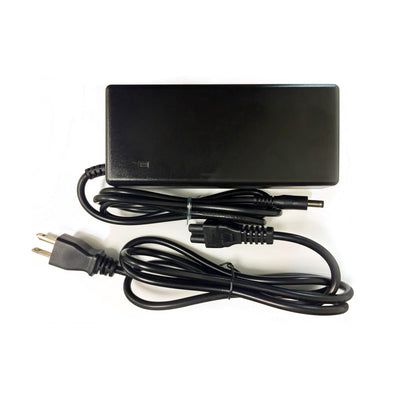
Even with a certified electrical system, charging habits matter. Think of the charger and battery as a matched pair. They are designed to work together, and substituting a look-alike charger or trying to modify a battery can create serious risk.
Charge with the manufacturer-supplied charger and follow the instructions in your owner's manual. Place the battery and charger on a hard, dry, nonflammable surface with open space around them. Avoid charging near exits, stairs, fuel, paper, fabrics, or other materials that can burn. It is also smart to charge in an area with a working smoke alarm nearby, rather than under a bed, inside a closet, or beside a door you need for a quick exit.
Do not charge a battery that is cracked, swollen, leaking, unusually hot, heavily damaged, or producing an odd odor. If the battery has been involved in a crash, submerged in water, or exposed to extreme heat, stop using it until the manufacturer or a qualified service professional can advise you. Trying to “test it one more time” is not worth the gamble.
A few habits make battery care simpler:
- Use only the charger specified for your exact model and battery.
- Let a very hot battery cool before charging, and do not charge a frozen battery.
- Stay nearby while charging when possible, and unplug once charging is complete.
- Keep charging ports clean, dry, and protected from debris.
- Store the battery away from direct sun, heaters, and prolonged freezing temperatures.
Avoid Modifications That Defeat the System
It can be tempting to chase more speed, longer range, or a bargain replacement online. But aftermarket changes are one of the clearest ways to compromise an e-bike's intended electrical safety setup.
Do not open a battery pack, combine battery packs, bypass the battery management system, alter connectors, or use a charger with a different voltage or output simply because it fits. These changes can damage components, void warranty protection, and create hazards that are not obvious until charging or riding begins.
The same principle applies to replacement parts. A genuine, model-compatible battery or charger may cost more than a universal alternative, but compatibility is not a small detail. It is central to how the electrical system manages power. Brands that offer replacement parts and real owner support make it easier to maintain a vehicle the right way instead of improvising.
Certification Is Not a Substitute for Smart Riding
UL 2849 focuses on the electrical system. It does not measure every part of riding safety. Good brakes, properly inflated tires, visible lights, a well-adjusted helmet, and a vehicle that fits your body and riding plans are just as important.
Before setting off, take a moment to check tire condition, brake response, battery security, and cargo placement. On an electric trike, distribute groceries or gear evenly and secure anything that could shift in a turn. More stability at a stop does not mean a trike corners like a two-wheel bicycle. Slow down before turns, especially with a passenger, pet carrier, or a loaded rear basket.
Use pedal assist gradually until you know how your vehicle responds. A powerful start can feel surprising if you are new to e-bikes, and loose gravel, wet pavement, steep driveways, and crowded paths all call for extra patience. Wear a helmet, obey local rules, and make yourself easy for drivers and pedestrians to see.
When comparing comfort-focused options, including an Emojo Bike model, look at the full ownership picture: certification information, braking, frame stability, cargo needs, warranty terms, and access to support. The right ride is the one that fits your everyday life and gives you confidence to use it.
The best safety feature is a rider who feels prepared. Choose equipment with clear documentation, charge it with care, keep it maintained, and leave yourself plenty of room to enjoy the ride.
Leave a comment