




Is an Electric Trike for Grocery Shopping Practical?

A grocery run should not require finding a parking space, lifting heavy bags from a trunk, and circling the lot again because you forgot one item. An electric trike for grocery shopping offers another way to handle nearby errands: ride comfortably, load what you need, and head home with the confidence that comes from three wheels and practical cargo space.
For many riders, this is not about giving up the car entirely. It is about saving the car for the big warehouse haul, bad weather, or long-distance trip while making the neighborhood market, pharmacy, bakery, and farmers market feel pleasantly within reach.
Why an Electric Trike Works for Grocery Shopping
The biggest advantage is stability. A conventional two-wheel e-bike can carry groceries well, but it asks the rider to balance the bike at every stoplight, curb, and loading area. A trike gives you a steady platform when you are getting on and off, checking your list, or waiting for traffic to clear.
That matters when your cargo is not perfectly balanced. A gallon of milk, canned goods, a bag of apples, and a bouquet of flowers do not distribute weight the way a backpack does. On a stable three-wheel design, you can focus more on riding calmly and less on keeping the bike upright at low speed.
Pedal assist also changes the feel of an errand. Groceries add weight, and even a modest hill can feel much bigger on the return trip. An electric motor helps you keep moving without turning every purchase into a workout. You still pedal, enjoy the fresh air, and stay active, but you can choose the level of help that feels right for your energy and route.
For riders who value comfort and confidence over speed, that combination is hard to beat. An upright riding position, a supportive seat, and easy-to-reach controls can make a quick grocery trip feel like a small outing rather than another chore.
Choosing the Right Electric Trike for Grocery Shopping
Not every e-trike is built around the same kind of errand. Before choosing one, think less about the longest possible range and more about your real weekly routine. How far is the store? Do you need to carry a few bags, or are you replacing most of your car trips? Is your route flat, hilly, paved, or a mix of neighborhood streets and packed trails?
Start with usable cargo space
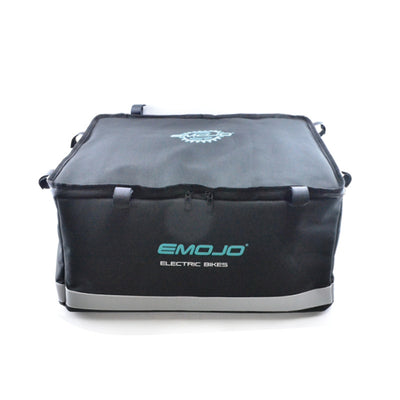
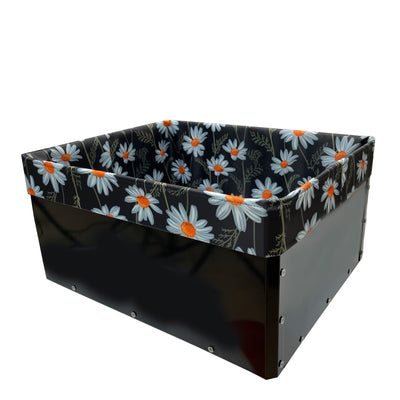
A rear basket is often the feature that turns a fun ride into a practical utility vehicle. Look at the basket's shape as well as its size. A wide, deep basket is helpful for reusable grocery bags, while a secure liner or cargo bag can keep smaller items from shifting around.
It is also worth thinking about what you buy most often. If you regularly bring home bulky paper products, pet food, or a larger produce haul, extra cargo capacity and accessory options matter. If your typical trip is bread, produce, and a few household essentials, a compact trike may be easier to store and more than capable for the job.
Do not overload any basket or rack beyond its rated capacity. Weight limits are there for handling, braking, and component safety, not just for protecting the basket. Pack heavier items low and centered whenever possible, then place lighter or delicate items on top.
Consider your storage and transportation plans
A full-size utility trike can be a wonderful choice for frequent shopping trips, but it takes up more room in a garage or shed than a standard bicycle. Measure your storage space before ordering, including doorways and turns.
If you travel by RV or want to bring your trike to a vacation home, portability becomes more important. A folding or more compact model can make loading, storing, and traveling easier. The trade-off is simple: larger trikes generally provide more room and utility, while portable designs make it easier to take your freedom with you.
Match power and range to the return trip
Your return ride is the one to plan for. Cargo weight, hills, wind, tire pressure, rider weight, and assist level all affect battery range. If your favorite grocery store is a few miles away, you may have plenty of range for multiple errands. If your route includes steep grades or you routinely carry a fuller load, choose a model and battery setup that leaves a comfortable margin.
A good habit is to charge after a meaningful grocery trip instead of waiting until the battery is nearly empty. That way, a last-minute run for dinner ingredients does not become a reason to take the car.
Make stopping power part of the decision
A loaded trike needs dependable braking. More cargo means more momentum, especially on a downhill stretch or when approaching a busy intersection. Practice gentle, controlled stops in an open area before taking a fully loaded ride on your usual route.
When comparing models, pay attention to brake design, tire condition, lighting, and the overall quality of the electrical system. UL 2849 certification is a valuable safety signal for an e-bike system, and regular maintenance helps preserve the safe, confident ride you bought the trike for.
How to Pack Groceries So the Ride Feels Easy
The goal is not to fit every item into one enormous pile. It is to keep the load stable and protected. Reusable bags with flat bottoms are easier to place in a basket than soft, loose plastic bags. A small cooler bag is useful for dairy, frozen food, and summer produce, especially if you like to make a second stop on the way home.
Put dense items such as cans, bottles, and root vegetables at the bottom of the basket. Keep eggs, bread, and chips on top, ideally secured so they do not bounce over bumps. If you have two bags with similar weight, place them evenly rather than loading one side heavily.
A cargo net, basket liner, or bungee cord can help, but avoid strapping items where they can interfere with wheels, brakes, pedals, lights, or your ability to steer. Before rolling away, give the basket a gentle shake. If something slides now, it will slide more on the road.
Build a Grocery Route You Enjoy Riding
The fastest car route is not always the best trike route. A calmer neighborhood street, multi-use path, or road with lower traffic may add a few minutes while making the trip far more enjoyable. Consider road surfaces, crossings, hills, and whether there is a convenient place to park and lock your trike near the store entrance.
For a first ride, shop for a smaller load at a quieter time of day. This gives you a chance to learn the turning radius, braking feel, and handling with cargo. Three-wheel trikes are stable, but they turn differently from a two-wheel bike. Slow down before turns and avoid taking corners sharply, particularly when the basket is full.
Bring a lock, keep your battery charged, and use lights whenever visibility is limited. A helmet is a smart choice for every ride. These simple habits protect the easygoing feeling that makes electric trike errands so appealing.
A Practical Upgrade for Everyday Independence
An electric trike will not replace every vehicle trip, and it does not need to. Its value is in making ordinary local errands feel possible, comfortable, and even fun. For a retiree who wants to stay active, a parent picking up a few essentials, or an RV traveler exploring a new town, the right trike can add real flexibility to the week.
Emojo Bike designs stability-focused electric trikes around that kind of everyday freedom, with comfort, cargo utility, and confidence at the center of the ride. Start with the trips you already make, choose a trike that fits your space and cargo needs, and let the next grocery run become a reason to get outside.
Leave a comment