




Choosing the Right All Terrain Electric Trike

A loose gravel lane, a grassy campground, and the unpaved path to a favorite fishing spot can all feel like an invitation to keep riding - until a narrow-tire bike makes the trip feel shaky. An all terrain electric trike is built for riders who want to enjoy more of those everyday routes with the grounded feel of three wheels, helpful pedal-assist power, and room to bring what makes the outing better.
The key is choosing for the terrain you actually ride. “All terrain” does not mean a trike should be treated like a mountain bike on steep, technical singletrack. It means it should feel capable and comfortable beyond smooth pavement: on packed dirt, gravel, uneven neighborhood streets, hard-packed sand, grass, and campground roads. For many riders, that extra versatility is exactly what turns a parked vehicle into a regular part of the week.
What Makes an All Terrain Electric Trike Different?
A well-matched all terrain electric trike starts with stability. Three wheels give you a planted platform when you are starting, stopping, loading cargo, or moving at a relaxed pace. That can be especially reassuring for riders returning to cycling, people who do not want to balance a two-wheel e-bike at a stoplight, and RV travelers setting out from an unfamiliar campsite.
Tire size and tread matter just as much as the number of wheels. Wider tires create a larger contact patch with the ground, helping the trike roll more confidently over loose stones, shallow ruts, and rough pavement. A tread designed for mixed surfaces can add useful grip on dirt and grass without making pavement rides feel overly slow or noisy.
Frame design also shapes the experience. A low step-through frame makes getting on and off easier, while a comfortable saddle and an upright riding position help take strain off your back, wrists, and shoulders. Those are not minor details when a short ride to the store turns into an afternoon of exploring.
Electric assist is the final piece. Pedal assist helps you keep a steady pace into a headwind or up a hill, while a throttle can be useful when you need a little help getting underway. The goal is not to rush the ride. It is to make hills, distance, and changing surfaces feel less intimidating.
Match the Trike to Your Real-World Terrain
Before comparing specifications, think about the places you expect to ride most often. A paved greenway with occasional gravel is very different from a rural property with rough access roads. An RV park may have compacted dirt and grass, while a beach community may have flat streets, sandy parking areas, and frequent wind.
For mostly paved routes with a few uneven sections, comfort, easy handling, and dependable braking may matter more than the most aggressive tire tread. For regular gravel roads or hard-packed trails, look for wider all-terrain tires, a frame that feels solid under load, and enough motor assistance to keep your momentum on rolling ground.
If your route includes steep hills, pay close attention to more than top speed. Hill climbing depends on rider weight, cargo, tire pressure, surface grip, battery charge, and how much you pedal. A trike with strong pedal assist can make climbing more manageable, but loose terrain still calls for patience and a controlled pace.
For riders who want a purpose-built option for mixed surfaces, a model such as the Emojo Bull Trail is designed around the practical needs of trail-minded trike riding: confidence on varied ground, comfortable access, and the utility to carry gear along for the day.
Stability Does Not Mean You Can Ignore Corners
A trike feels steady when stopped, but it handles turns differently from a two-wheel bike. You do not lean it through a corner in the same way. Instead, slow down before turning, keep your body balanced, and make smooth steering inputs. This matters even more on gravel, wet grass, side slopes, or when the rear basket is carrying a full load.
Take a few practice rides on a quiet, level surface before heading onto unfamiliar terrain. Learn how the trike accelerates, how much space it needs to turn, and how it responds when you brake. Confidence grows quickly when you give yourself time to get familiar with the vehicle.
Power, Range, and Braking on Mixed Surfaces
Motor power gets attention, but control is what makes a ride enjoyable. On loose or uneven ground, gradual acceleration is usually better than an abrupt burst of power. Start with a lower assist setting, then add help as the route demands it. This approach can also preserve battery charge for the return trip.
Real-world range is not a single number. Hills, cold weather, frequent stops, rider and cargo weight, tire pressure, and assist level all affect how far you can go on a charge. A smooth paved path in low assist will use less energy than a rolling gravel route with a loaded basket. Plan your outings with a comfortable reserve rather than trying to drain the battery completely.
Braking deserves the same attention as motor performance. Look for responsive stopping power and use both brakes in a controlled, progressive way. On loose ground, avoid grabbing the brakes suddenly. Ease off the pedals, reduce speed early, and give yourself extra room to stop. Good habits are a valuable safety feature on every ride.
Cargo Changes the Ride
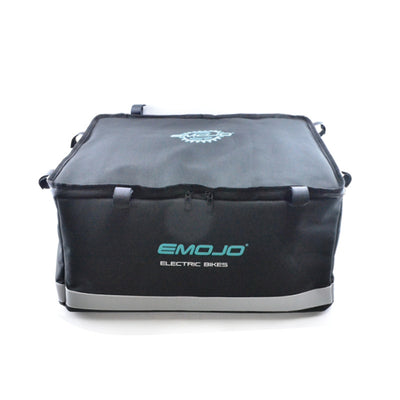
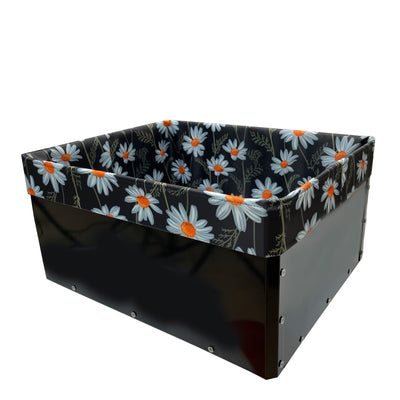
One of the best reasons to choose a trike is the ability to carry everyday essentials without wearing a heavy backpack. Groceries, a picnic cooler, gardening supplies, a folding chair, or pet gear can all make a trike more useful. Yet cargo affects balance, braking distance, and steering.
Keep heavier items low and centered whenever possible, and secure everything before moving. A bag that shifts around on a bumpy path can make steering less predictable. On a longer outing, packing a small tire pump, water, a phone, and a basic repair kit is a smart habit, especially when you are riding beyond your neighborhood.
Comfort Features That Keep You Riding Longer
An all-terrain ride should not feel like a punishment. A supportive seat, adjustable handlebars, a step-through frame, and a riding position that lets you look ahead comfortably can make a major difference over time. Riders with knee, hip, back, or balance concerns often find that these details determine whether they ride once in a while or several times a week.
Tire pressure is another practical comfort tool. Too much pressure can make a rough surface feel harsh and reduce traction. Too little can make pedaling harder and increase the chance of tire damage. Follow the tire's recommended pressure range, then make careful adjustments based on your load and typical terrain.
Some riders also benefit from accessories that match their routine. A weather-resistant cover can help protect a trike at an RV site. Mirrors improve awareness around traffic and fellow trail users. Lights are essential when a ride may stretch toward dusk. The right accessories should make your rides easier, not turn the trike into a complicated project.
A Few Smart Checks Before You Leave Pavement
Mixed-surface riding rewards a quick pre-ride check. Confirm that the battery is charged and locked in place, tires are properly inflated, brakes feel responsive, and cargo is secured. Check that the chain and moving parts are clean enough to operate smoothly, particularly after a dusty or muddy ride.
Wear a properly fitted helmet and choose footwear with a secure sole. On shared paths, reduce speed around walkers, pets, children, and other riders. If you meet a section that looks too loose, steep, muddy, or deeply rutted, there is no prize for forcing it. Turn around, walk the trike through, or choose another route. Smart riding is confident riding.
A three-year warranty and safety-focused electrical standards, including UL 2849 certification where applicable, can also offer welcome peace of mind when choosing an electric trike. They do not replace regular care, but they are meaningful signs that ownership support matters after the purchase.
The best all terrain electric trike is the one that encourages you to say yes to the route ahead - the gravel lane to the lake, the longer path through the park, or the campground loop you almost skipped. Start with the surfaces you know, build your comfort one ride at a time, and let every extra mile feel like a little more freedom.
Leave a comment