




Top Electric Trike Safety Features to Look For

A great electric trike should make your next ride feel more inviting, not more complicated. The top electric trike safety features help turn a trip to the store, a campground cruise, or an afternoon with the grandkids into a comfortable, confidence-building outing. Three wheels offer a helpful foundation, but real safety comes from how the entire trike is designed, equipped, adjusted, and ridden.
For first-time riders especially, it helps to look beyond motor wattage and paint color. The right trike should support steady starts, predictable stops, clear visibility, and a relaxed riding position that lets you stay in control.
Top Electric Trike Safety Features That Matter Most
A stable frame and thoughtful three-wheel design
The first reason many riders choose an electric trike is stability. Unlike a conventional e-bike, a trike can stand on its own when stopped, so you do not have to balance the vehicle while getting on, waiting at an intersection, or loading groceries. That can be a major advantage for older adults, riders rebuilding confidence, and anyone carrying cargo or a passenger.
Still, not every trike handles exactly the same. A well-designed frame, a sensible center of gravity, and a track width that supports the vehicle's intended use all influence how planted a trike feels. A lower step-through area can also make mounting and dismounting easier, especially for riders with limited hip or knee mobility.
Three wheels do not mean a trike cannot tip. Because a trike does not lean into turns like a two-wheel bike, sharp turns at speed can shift weight toward the outside wheels. The safe approach is simple: slow down before a corner, steer smoothly, and keep cargo balanced. Stability gives you a bigger confidence margin, but good riding habits still matter.
Dependable braking with easy-to-reach controls
Stopping power is one of the most meaningful safety features on any electric vehicle. Electric trikes can be heavier than standard bicycles, and a loaded rear basket or cargo setup adds more weight. Reliable brakes give you the control to slow down gradually on a path, stop with confidence at a crossing, and manage a hill without feeling rushed.
Look for braking components designed for the trike's weight and intended riding conditions. Disc brakes are a popular choice because they provide consistent braking performance in a range of conditions. Just as important, brake levers should be comfortable to reach and operate without straining your hands.
Before every ride, squeeze both brake levers while standing beside the trike. They should feel firm, not spongy, and the trike should not roll when the brakes are engaged. If you hear scraping, notice reduced stopping power, or need to pull a lever all the way to the handlebar, it is time for service. Clean, properly adjusted brakes are not a glamorous feature, but they are a wonderful reason to enjoy every ride with less worry.
Bright lights, reflectors, and rider visibility
Being seen is a safety feature. A front headlight helps you notice changes in the path ahead, while a rear light and reflectors help drivers, cyclists, and pedestrians notice you. This matters at dusk, on shaded neighborhood streets, in parking lots, and whenever the weather turns gray.
Lighting should not be treated as an afterthought reserved for night rides. Turning your lights on during daytime rides can make you more noticeable at driveways and intersections. For extra visibility, choose a helmet in a bright color, add reflective details to your clothing or bag, and use a tall safety flag if you frequently ride near vehicle traffic or through busy campgrounds.
Check your lights before heading out, especially if they are battery-powered. A bright light is only useful when it is charged and working.
A certified battery system and safe charging setup
The battery is the heart of an electric trike, so battery safety deserves close attention. Look for a trike with an electrical system certified to UL 2849. This certification evaluates the e-bike electrical system as a whole, including key components that work together during charging and riding.
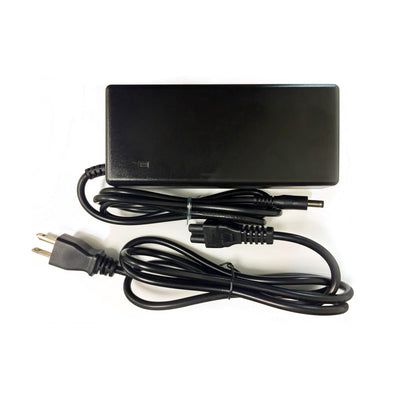
Safe ownership also depends on everyday charging habits. Use the charger supplied for your specific trike, charge in a dry area away from heat sources and flammable materials, and avoid using damaged cables or battery cases. Give the battery time to cool after a demanding ride before charging it, particularly on hot days.
Do not modify the battery, charger, or wiring in an attempt to gain speed or range. Those changes can create serious safety risks and may affect warranty coverage. A properly matched system is built to deliver assistance you can trust, without adding unnecessary uncertainty to your ride.
Tires, wheels, and suspension suited to your route
Tires connect your trike to the road, trail, or campground lane. Their condition affects traction, braking, comfort, and steering response. Before riding, inspect tires for low pressure, cracking, embedded debris, or worn tread. The recommended tire pressure is usually listed on the tire sidewall or in the owner's materials.
The best tire setup depends on where you ride. Wider tires can add comfort and confidence on uneven surfaces, while tread designed for mixed terrain may be helpful for packed paths and gravel. For primarily paved neighborhood rides, smooth-rolling tires may feel more efficient. There is a trade-off: aggressive tread can improve grip on loose surfaces but may create more rolling resistance on pavement.
Suspension can make rough pavement and trail chatter feel easier on your body, particularly for riders managing back, shoulder, or wrist discomfort. It does not replace safe speed choices, though. On potholes, curbs, roots, or loose gravel, slow down and give yourself room to react.
Safety Features Should Fit the Rider, Too
A comfortable, adjustable riding position
Safety is closely tied to comfort. If the seat is too high, the handlebars are too far away, or your knees feel cramped, it becomes harder to steer, brake, and respond calmly to changes around you. A supportive seat, adjustable handlebars, and a step-through frame can make a meaningful difference in control and enjoyment.
Take time to set up the trike before your first longer outing. You should be able to reach the controls comfortably, place your feet securely when stopped, and pedal without overextending your knees. Wear a properly fitted helmet every ride, along with closed-toe shoes that stay secure on the pedals.
If possible, practice in an empty parking lot or quiet paved area. Learn how the pedal assist engages, how quickly the trike accelerates in each assist level, and how it turns at low speed. Starting in a lower assist setting gives you time to build familiarity before using more power.
Cargo capacity and secure storage
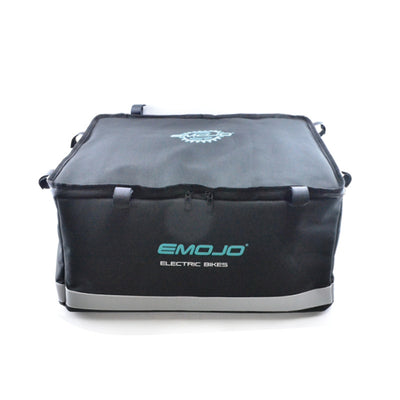
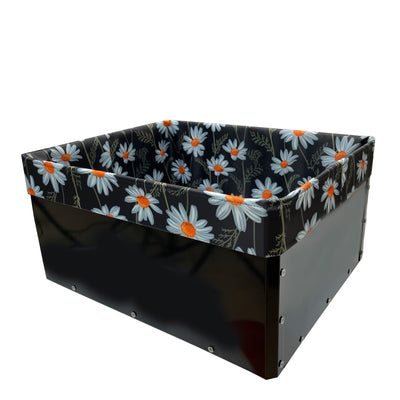
A rear basket or cargo area makes an electric trike wonderfully useful for groceries, picnic supplies, pet gear, and everyday errands. It also changes how the trike handles. Weight that is loose, overloaded, or concentrated on one side can affect steering and cornering.
Stay within the stated cargo and rider weight limits, secure items so they cannot shift, and distribute weight evenly whenever possible. Heavier items should sit low in the basket or cargo area. If you are transporting a child or pet, use an accessory made for that purpose and follow its setup and weight guidance carefully.
The same rule applies to trailers. A trailer can expand what your trike can carry, but it increases stopping distance and changes turning behavior. Practice with a light load first, then leave extra room for braking and wider turns.
A speed setup that supports control
More speed is not always more freedom. The right speed is the one that leaves you enough time and space to see, decide, and stop. Pedal assist lets riders choose a level of support that fits the route, their energy, and their comfort level. Lower settings are often ideal for crowded paths, turns, and unfamiliar areas; higher assistance may feel more useful on open stretches or gentle hills.
Respect local riding rules, yield appropriately to pedestrians, and use a bell or friendly voice when passing. On shared paths, slowing down is one of the kindest safety features you can bring with you.
Emojo Bike designs its electric trikes around the everyday benefits riders value most: steady support, comfortable riding, practical cargo options, and the confidence to get out and enjoy the day.
A Quick Pre-Ride Routine Builds Lasting Confidence
A 60-second check can prevent many common problems. Confirm that your battery is secure, tires look properly inflated, brakes engage firmly, lights work, and cargo is fastened. Then take a moment to consider your route, weather, and daylight. If conditions feel beyond your comfort level, choose a shorter route or save the ride for another day.
The best safety feature is the one that helps you say yes to the ride with a clear mind. Choose a trike that fits your body and your usual terrain, give it regular care, and let your confidence grow one comfortable mile at a time.
Leave a comment