




7 Smart Checks for the Best Electric Trike for Seniors

A great ride can make a grocery run feel less like a chore and a sunny afternoon feel like an open invitation. The best electric trike for seniors is not necessarily the one with the biggest motor or the longest feature list. It is the trike that feels steady beneath you, fits the way you move, and gives you a real reason to get out and ride again tomorrow.
For many older adults, a three-wheel electric trike offers something a conventional bike cannot: the confidence to stop, start, carry what you need, and enjoy the road at your own pace. Finding the right one starts with being honest about where you want to go and what would make every mile more comfortable.
1. Choose stability that matches your riding style
The biggest reason riders move to an electric trike is simple: three wheels provide a stable platform at low speeds and when stopped. You do not need to put a foot down at every stop sign or worry about balancing a loaded bike while getting underway. That can be a major confidence boost for riders with balance concerns, sore knees, or reduced leg strength.
Still, stability does not mean a trike handles exactly like a bike. Most electric trikes have two rear wheels and one front wheel. They are wonderfully planted at a stop, but they should be turned gradually, especially on a downhill, with cargo onboard, or at higher speeds. A good trike encourages a relaxed, controlled pace rather than sharp, fast cornering.
Look for a wide rear stance, sturdy frame construction, dependable brakes, and tires suited to your usual surfaces. If your neighborhood has cracked pavement, packed paths, gravel driveways, or campground roads, tire size and tread can matter as much as motor power.
2. Put comfort ahead of flashy specifications
A trike can have impressive numbers on paper and still be a poor match if getting on it feels awkward. Comfort is what turns an occasional purchase into a favorite part of the week.
Start with the frame. A low step-through design can make mounting and dismounting much easier than swinging a leg over a high bar. Then consider the seat, handlebar position, and riding posture. An upright position helps many seniors keep a clear view of the road while reducing pressure on the wrists, neck, and back.
Seat comfort is personal. A broad, supportive saddle can be welcome on a long waterfront ride, but adjustability matters too. Riders should be able to sit comfortably with a slight bend in the knee when the pedal is at its farthest point. Handlebars should be within easy reach, without forcing you to lean forward or lock your elbows.
Before choosing a model, measure the space where it will live. Electric trikes are wider than two-wheel bikes, and that width is part of what makes them stable. Make sure it can pass through your garage, shed, gate, RV storage area, or elevator without becoming a daily hassle.
3. Pick motor assistance that feels natural
Pedal assist is designed to help you ride farther with less strain, not make every ride feel like a race. The best setup gives you useful power when you need it - pulling away from a stop, crossing an intersection, climbing a hill, or riding into a stiff breeze - while still allowing you to set a comfortable pace.
Consider your local terrain. For mostly flat neighborhood streets and bike paths, a moderate level of assist may be all you need. If your routes include hills, bridges, or long campground inclines, prioritize a trike with confident hill assistance and gearing that lets you pedal comfortably alongside the motor.
Range deserves the same practical thinking. Battery range changes with rider weight, cargo, hills, wind, tire pressure, temperature, assist level, and how much pedaling you contribute. Rather than shopping for the largest advertised number, think about your normal outing. If your favorite ride is a six-mile loop with errands along the way, choose enough range to finish it comfortably with a reserve.
For peace of mind, ask how and where you will charge the battery. A removable battery can be especially convenient for riders who park a trike in a garage, RV rack area, or ground-level storage space but prefer to charge indoors.
4. Decide what you want to carry
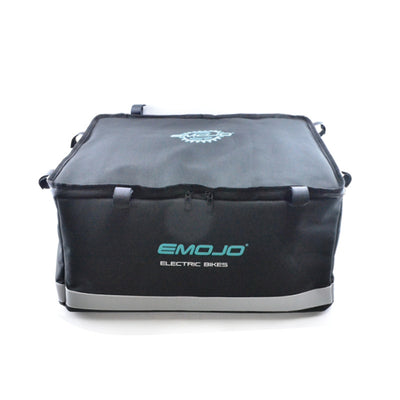
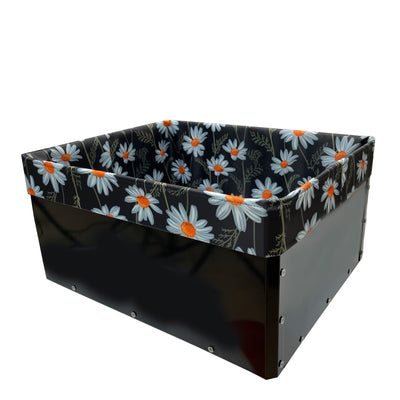
Cargo capacity is where an electric trike becomes more than a recreation vehicle. A roomy rear basket can carry groceries, a jacket, a picnic blanket, gardening supplies, or the things you pick up at a local market. For some riders, it replaces short car trips and makes independent errands feel much more realistic.
Think about the items you carry most often. A small purse and a water bottle need very little room. A weekly grocery run, beach gear, or a small pet calls for a more substantial cargo arrangement. Also consider the combined weight limit for rider and cargo. Exceeding it can affect handling, braking, and component wear.
Families may need a different kind of utility. A family-focused trike with purpose-built passenger or cargo options can support outings with children, while a utility model may better fit everyday errands. Riders who travel by RV often value a portable trike that is easier to transport and store between adventures.
Emojo Bike offers trike styles built around these different needs, from portable riding to all-terrain comfort, cargo utility, and family outings. The right category is often easier to identify once you picture a typical Saturday, not just a test lap around the block.
5. Give braking and visibility serious attention
Electric assistance makes riding easier, but it also means you may cover ground faster than you would on a standard pedal trike. Strong, predictable stopping power is a must. Practice using the brakes gently in an open, level area before taking your first longer ride, particularly if you have not ridden in a while.
Make visibility part of your purchase decision, too. Front and rear lights, reflectors, and a bright riding position help drivers and other path users see you. If you plan to ride near dusk, in shaded neighborhoods, or through busy parking areas, visibility is not an accessory afterthought. It is part of feeling confident on every trip.
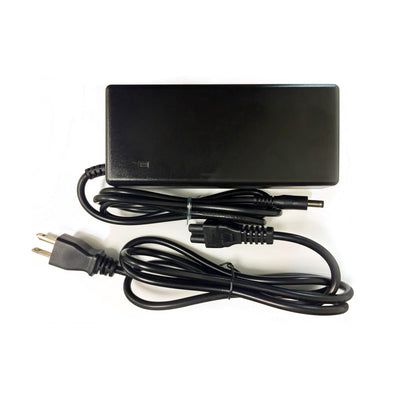
Battery safety matters as well. Look for an electric system with UL 2849 certification, and follow the manufacturer’s charging and storage instructions. Use the included charger, keep the battery away from extreme heat, and inspect cables and connectors periodically.
6. Make sure the trike fits your local rules
Before you settle on a model, check the rules where you plan to ride. E-bike classifications, trail access, helmet requirements, and speed rules can vary by state, city, park, and campground. A trike that is ideal for quiet neighborhood streets may have different access rules on a rail trail or boardwalk.
This is also a good time to consider your route. Wide, calm paths and low-speed residential streets are often ideal for getting comfortable. Narrow sidewalks, heavy traffic, steep curbs, and sharply cambered roads can be less welcoming for a wider three-wheel vehicle. Plan early rides around places that give you space to learn the trike’s turning radius and braking feel.
7. Test the ownership experience, not just the ride
A comfortable first ride matters, but ownership support matters long after delivery day. Review the warranty, available replacement parts, assembly expectations, customer support options, and service resources before buying. An electric trike is meant to be enjoyed for years, so it helps to know where to turn for guidance on adjustments, maintenance, or accessories.
If you can test ride, take your time. Practice starting, stopping, turning, reversing the trike by hand, and reaching the controls. Bring along the bag or cargo you usually carry. Notice whether the seat feels supportive after more than a few minutes and whether you can park and maneuver it comfortably.
The right trike should not make you feel like you have to prove anything. It should make the next coffee run, campground loop, visit with a neighbor, or ride through the park feel entirely possible - and a lot more fun.
Leave a comment