




How to Find the Best Electric Trike Under 2000

A great ride should not require balancing at every stoplight, straining up every hill, or leaving your groceries behind. The best electric trike under 2000 is the one that gives you dependable stability and everyday comfort without paying for features you will never use.
That sounds simple, but price alone does not tell the whole story. Two trikes can look similar online while offering very different experiences on a neighborhood street, campground loop, or trip to the local market. Focus on how you plan to ride, where you will store your trike, and what will help you feel comfortable getting out for one more ride.
What a Good Electric Trike Under $2,000 Should Do
At this price, an electric trike should handle the essentials well: provide stable three-wheel support, offer useful pedal assistance, stop confidently, and carry the items that make a ride practical. You are not necessarily shopping for a high-performance machine built for long, fast road rides. You are shopping for freedom with fewer compromises.
A well-chosen trike can make it easier to stay active after years away from cycling, get around a large RV park, enjoy a waterfront path, or pick up a few groceries without driving the car. The third wheel is a meaningful advantage for riders who do not want to put a foot down quickly at a stop or worry about holding up a two-wheel e-bike when the basket is loaded.
Expect smart trade-offs in this range. You may find a simpler display, fewer premium comfort adjustments, or a smaller battery than on a luxury trike. Those are reasonable compromises if the frame feels stable, the controls are easy to understand, and the trike suits your regular route.
Start With Your Everyday Ride
The right choice changes with your destination. A rider who wants relaxed neighborhood trips has different needs than someone carrying supplies from a farmers market or traveling with an RV.
For mostly flat pavement, prioritize a comfortable riding position, reliable brakes, and an easy-to-use assist system. You do not need the biggest motor on a spec sheet to enjoy a smooth ride around town. Pedal assist should feel helpful when you start moving and when a gentle incline appears, while a throttle can offer welcome support when your legs need a break.
For hills, pay closer attention to motor assistance, gearing, and total weight. Electric trikes are naturally heavier than two-wheel e-bikes, and cargo adds more weight. A trike can absolutely help make hills more manageable, but no budget model should be treated like a mountain bike. If your route includes long or steep climbs, ask whether the trike's listed range was measured under easy conditions and leave yourself a battery cushion.
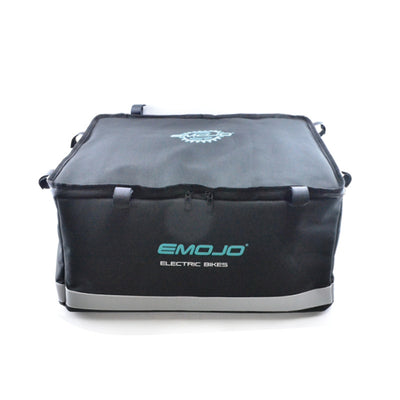
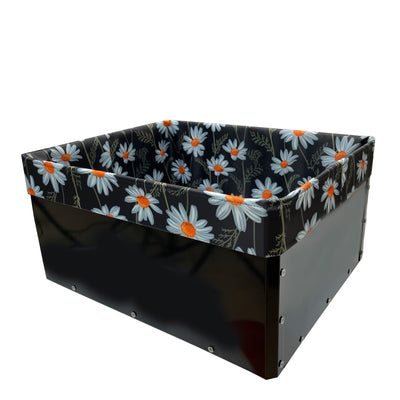
For errands and recreation, cargo space matters more than many first-time buyers expect. A rear basket is useful only if it is large enough and positioned so your belongings stay secure. Think beyond a purse or water bottle. Picture a bag of groceries, a picnic blanket, a jacket, or supplies for a day at the park.
Stability Is More Than Having Three Wheels
Three wheels offer confidence, especially at low speeds and stops, but the trike still needs a thoughtful design. Look for a wide, planted stance and a riding position that lets you sit upright with a clear view ahead. A low step-through frame can be especially helpful for riders with limited hip or knee mobility because getting on and off feels less like climbing over a bar.
Keep in mind that trikes handle differently from bicycles. They do not lean into turns. Instead, you should slow down before a corner and steer smoothly through it. Taking a turn too fast can feel uncomfortable on any three-wheel vehicle, particularly when the rear basket is full. This is not a drawback so much as a different riding skill, and most riders adapt quickly with a little practice in an open parking lot.
Tire size also affects the feel of the ride. Larger tires can roll more comfortably over cracks and uneven pavement, while smaller wheels may help keep a trike compact. If your local streets are rough, comfort-oriented tires and a supportive seat may be worth more to you than an extra top speed.
Comfort Features Worth Paying Attention To
An affordable trike does not need every premium feature, but it should invite you to ride. A padded seat with back support can make a major difference on longer outings. Adjustable handlebars help riders find a more natural reach, reducing pressure on the wrists and shoulders.
Look for practical details, too: full fenders for damp roads, bright front and rear lights, and a display you can read without squinting. These features are not flashy, but they make spontaneous rides more enjoyable. If a trike feels easy to use, it is much more likely to become part of your routine.
Compare the Battery Honestly
Battery range is one of the most misunderstood numbers in electric riding. A listed maximum range is usually achieved under favorable conditions: a lighter rider, flatter terrain, lower assist levels, mild weather, and limited cargo. Real-world range can be lower when you ride into wind, tackle hills, use more throttle, or carry a full basket.
Rather than shopping only for the highest range claim, match the battery to your normal day. If your typical outing is five to 10 miles with charging at home afterward, you may not need an oversized battery. If you plan all-day campground rides or longer trips on multiuse paths, more capacity gives you welcome peace of mind.
A removable battery is especially convenient for many households. You can bring it indoors to charge instead of parking the whole trike beside an outlet. It also helps when storing the trike in a garage, shed, or RV setup where temperatures can vary.
For confidence at home, choose a trike with a quality battery system and follow the charging guidance in the owner's manual. UL 2849 certification is a valuable safety signal because it applies to the electrical system as a whole, not just one component.
Do Not Treat Brakes as a Budget Feature
A trike has more weight than a regular bike, and that weight grows with cargo. Good stopping power deserves a place near the top of your checklist. Responsive brakes, properly inflated tires, and sensible speeds work together to make each ride feel controlled.
Before your first longer outing, practice starting, braking, and turning in a quiet area. Learn how the pedal assist responds at each level. Get used to braking before turns rather than during them. These small habits build the kind of confidence that makes riding more fun.
Check Fit, Storage, and Support Before You Buy
A trike can be a terrific value and still be the wrong fit if it will not fit through your gate, into your storage area, or on your preferred vehicle rack. Measure the space where it will live, including doorways and tight turns. If you travel often, consider whether a foldable or more portable design is worth prioritizing.
Also review the rider weight capacity and cargo capacity separately. The total load includes you, anything in the basket, and accessories. Buying within those limits supports better handling and helps protect the trike over time.
Support matters after delivery, too. Look for a clear warranty, replacement parts availability, and customer resources that can help with assembly, adjustments, and maintenance questions. A lower sticker price is less appealing if help is difficult to find when you need it.
Emojo Bike offers stability-focused electric trikes designed around practical comfort, cargo utility, and confidence-building rides. When comparing any model that fits your budget, check its current price, included equipment, warranty coverage, and whether its design matches the way you want to spend your time outdoors.
A Quick Pre-Purchase Checklist
Before you make a final decision, make sure the trike answers these everyday questions:
- Can you step on and off comfortably, and does the seat support your preferred posture?
- Will the battery comfortably cover your usual ride with room to spare?
- Are the brakes, lights, tires, and electrical system designed to support confident riding?
- Does the basket or cargo area fit what you genuinely plan to carry?
- Can you store, charge, transport, and maintain the trike at home?
Leave a comment