





How to Charge Your Trike Battery Safely at Home

A great trike ride often starts the night before. Knowing how to charge a trike battery safely gives you the confidence to plan a trip to the park, load up groceries, or head out from the RV without wondering whether you have enough power. The routine is simple, but a few smart habits can help protect your battery, preserve range, and keep every ride feeling easy.
Start With the Right Charger and Setup
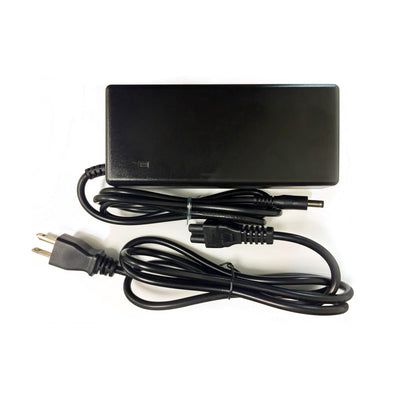
Your trike battery and charger work as a system. Always use the charger that came with your trike or an exact manufacturer-approved replacement. A charger with a similar-looking plug, voltage, or connector is not necessarily safe for your battery. Using the wrong charger can damage the battery-management system, reduce battery life, or create a serious safety concern.
Choose a dry, indoor location with good airflow and a stable, nonflammable surface. A clear section of a garage, workshop, or utility room is usually a better choice than a crowded hallway, a carpeted living room, or an outdoor porch exposed to weather. Keep the charging area away from paper, gasoline, cleaning supplies, pet bedding, and other combustible materials. It should also be away from doors and walkways so nobody can trip on the cord.
Before connecting anything, look over the battery case, charging port, cable, and plug. Stop and contact your dealer or manufacturer if you see cracks, melted plastic, frayed wires, corrosion, swelling, leaking, or an unusual odor. A battery that was dropped hard deserves an inspection too, even if it still appears to work normally.
How to Charge a Trike Battery Step by Step
After a ride, give the battery time to cool before charging. A warm battery after a long hill, hot pavement, or heavy cargo ride needs a little time to return closer to room temperature. Charging a battery that is excessively hot or freezing cold is not a good idea. Your owner's manual provides the recommended temperature range for your specific model.
Turn the trike off, park it securely, and remove the key if your model uses one. Then follow the connection order in your owner's manual. Many systems call for connecting the charger to the wall outlet and then to the battery, while some manufacturers specify a different order. The instructions for your own charger always come first.
Watch for the charger indicator light to confirm that charging has begun. The light color and behavior vary by charger, so do not assume that green, red, or flashing always means the same thing across brands. When the battery reaches a full charge, disconnect it according to the manual's instructions rather than leaving it plugged in for days.
Whether you charge the battery on or off the trike depends on its design and your routine. Charging it while installed can be convenient, especially if your trike is parked in a clean, dry storage area. Removing it may be easier for riders who keep their trike in a shed, RV compartment, or garage that gets very cold or hot. If you remove it, use the handle, keep it upright when practical, and set it down gently on a stable surface.
How Long Does a Trike Battery Take to Charge?
Most electric trike batteries take several hours to charge fully, often overnight. The actual time depends on the battery's capacity, how low it was when you plugged it in, and the output of the approved charger. A larger battery built for longer rides and heavier loads may take longer than a smaller battery, and that is completely normal.
A battery does not need to be run nearly empty before charging. In fact, topping it up after an ordinary ride is often more convenient than waiting until the display is close to empty. If you have a morning ride planned, charge ahead rather than trying to squeeze in a fast charge at the last minute.
For riders who use a trike several times a week, a practical routine is to recharge after the ride whenever the battery has dropped meaningfully. If your trips are short, you may prefer to charge every few rides. The right timing depends on how far you travel, your terrain, cargo weight, outside temperatures, and the pedal-assist level you use.
Full Charges, Partial Charges, and Battery Life
Lithium-ion batteries do not need the old-fashioned fully drained-and-fully charged treatment associated with some older battery types. Partial charging is normal and useful. If you only need a modest amount of range for tomorrow's errand, there is no harm in charging only as much as your ride requires when your manufacturer allows it.
A full charge is still helpful before a longer outing, especially when hills, headwinds, passengers, or cargo are part of the plan. It can also be appropriate when the battery display needs to calibrate, but follow your manual for any specific maintenance recommendations.
The bigger priority is avoiding extremes. Try not to store a battery empty for long periods, and do not leave it connected to a charger continuously. Battery-management systems provide valuable protection, but they are not a reason to ignore basic charging habits. Thoughtful charging is one of the simplest ways to get dependable performance season after season.
Cold Weather, Hot Weather, and Travel Storage
Temperature affects both charging and range. In colder weather, your trike may show less available range because batteries are less efficient in the cold. Bring a removable battery indoors after your ride when possible, let it warm naturally to a suitable temperature, and charge it there. Never attempt to warm a battery with a space heater, heat blanket, or direct heat source.
High heat deserves the same respect. Do not charge a battery in direct sun, inside a very hot vehicle, or in a closed storage compartment that has been baking all afternoon. If you travel with your trike on an RV trip, remove the battery before transport if the trike's instructions recommend it. Store it in the climate-controlled part of the vehicle, protected from shifting luggage and moisture.
For winter storage or any break from riding longer than a few weeks, do not put the battery away completely empty or at a full charge unless your manual specifically says otherwise. Many manufacturers recommend a partial charge for storage, commonly around the middle of the battery's capacity. Check it periodically and recharge as directed. Keep the battery clean, dry, and out of reach of children.
Charging Mistakes That Are Easy to Avoid
Most battery issues are prevented by taking a few seconds to make good choices. Avoid these common mistakes:
- Charging immediately after a demanding ride when the battery is still very hot.
- Using an unapproved charger, extension setup, or damaged outlet.
- Charging outdoors in rain, snow, or high humidity.
- Leaving a battery unattended for extended periods or plugged in for days.
- Ignoring a damaged case, loose charging port, unusual heat, smell, or sound.
Build Charging Into Your Riding Routine
The best battery routine is one you will actually follow. After parking your trike, take a quick look at the display and decide whether your next planned ride calls for a recharge. Wipe off mud or moisture near the charging port, let the battery cool when needed, and plug in with confidence using the approved charger.
For an Emojo trike, your owner's manual is the best source for model-specific charging instructions, indicator-light meanings, storage guidance, and battery removal details. Keeping those instructions handy makes ownership feel less technical and more enjoyable.
A charged battery is more than a number on a display. It is the extra confidence to take the scenic route, carry what you need, and say yes when someone asks if you want to go for a ride.
Leave a comment