




Folding Electric Trike for RV Travel: What Fits?

A folding electric trike for RV travel can turn a campground stay into a much bigger adventure. Instead of moving the motorhome for coffee, a waterfront loop, or a quick grocery run, you can unfold your ride, settle into the seat, and head out with confidence. For RVers who value comfort and stability, that freedom is hard to beat.
The right trike is not simply the smallest one. It needs to fit your storage plan, feel manageable to load, provide enough range for your normal outings, and give you the steady, relaxed ride that makes traveling more fun. Here is how to choose wisely before the next trip.
Why a Folding Electric Trike for RV Travel Makes Sense
Many RVers already know the challenge: your campsite may be close to the action, but not close enough to walk comfortably. A traditional bicycle can help, yet balancing on two wheels while carrying a bag, riding unfamiliar paths, or stopping at a busy campground crossing is not everyone’s idea of a relaxing vacation.
A three-wheel electric trike offers a stable platform when starting, stopping, and riding at an easy pace. Pedal assist helps take the strain out of longer routes and gentle hills, while a basket or cargo area can make errands and picnic runs far more practical. Add a folding frame, and the trike can be easier to bring along in an RV, tow vehicle, or storage compartment.
That said, folding does not mean featherweight. Electric trikes have more frame material, a motor, a battery, and an extra wheel. The best choice is the one you can transport safely and use comfortably, not the one with the most impressive-looking fold.
Start With Your RV Storage Plan
Before comparing colors, motors, or accessories, measure where the trike will travel. This one step saves a lot of frustration later.
A folded trike may fit inside a large pass-through compartment, but you also need room to lift, turn, and slide it into place. Measure the opening, not just the compartment’s interior. Check for narrow door frames, latches, plumbing, and uneven floor space that could interfere with loading.
If you plan to carry the trike on a rear rack or hitch-mounted carrier, confirm the carrier’s total weight rating and the tongue-weight limits for your RV or vehicle. A carrier built for two lightweight bicycles may not be suitable for a heavier electric trike. The folded dimensions matter here, too: an oversized load can block lights, extend beyond the carrier, or make access to the RV difficult.
Think Through the Loading Moment
The real question is not only, “Will it fit?” It is also, “Can I load it safely after a long day of driving?” A folding design can reduce the space the trike occupies, but it may still require lifting or using a ramp. If you travel solo or have limited lifting strength, look for a plan that minimizes lifting from the start.
A ramp-equipped carrier, a low storage bay, or help from a travel partner can make a meaningful difference. Never rely on the rear cargo basket as a grab handle or lift point unless the manufacturer specifically says it is designed for that purpose.
Choose Comfort and Stability Before Top Speed
RV travel is usually about scenic roads, quiet campground loops, and nearby town errands. For those rides, comfort-focused features tend to matter more than a high top speed.
Look for a supportive seat, an easy step-through frame, upright handlebars, and a riding position that lets you see clearly around you. These details help riders get on and off more comfortably and reduce the urge to lean forward or strain their wrists. Wide tires and suspension can also make a difference on cracked pavement, packed gravel, and the uneven roads common around campgrounds.
Stopping power deserves equal attention. Electric assist can make a trike feel effortless, but it still needs dependable brakes and predictable handling. Give yourself extra room to slow down, especially with cargo aboard. A trike turns differently from a two-wheel bike, and tight corners should be taken slowly to help keep all three wheels planted.
At Emojo Bike, the goal is simple: help more people enjoy active, confidence-building rides without making stability or comfort an afterthought.
Match Battery Range to How You Really Travel
Range claims are useful, but they are not a promise that every rider will get the same result. Rider weight, cargo, hills, wind, tire pressure, terrain, temperature, and the amount of pedal assist all affect how far a battery will take you.
For most RV trips, consider your typical day rather than your longest possible ride. A short loop around the campground may use very little battery. A ride into town for lunch, groceries, and sightseeing can be much longer, particularly if the return route has a hill.
Choose a battery that gives you a comfortable cushion. You do not want to arrive back at the campsite watching the battery indicator blink. If your travel style includes longer rail trails or exploring large resort communities, a higher-capacity battery can offer welcome peace of mind.
Charging at the Campsite
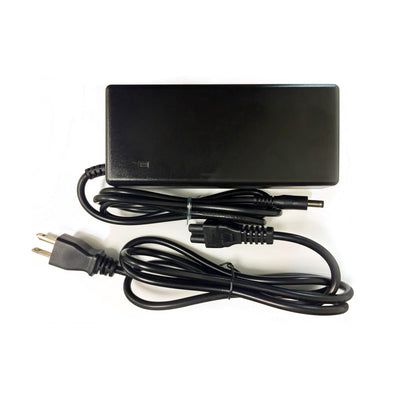
Most RV parks provide access to standard electrical outlets, but always use the charger supplied or approved by the manufacturer and follow its instructions. Charge in a dry, ventilated location away from direct heat, exits, and flammable materials. Do not charge a battery that has been damaged, swollen, or exposed to significant water intrusion.
If a removable battery is part of your storage plan, bring it inside the RV or tow vehicle when extreme temperatures are expected. Heat and freezing conditions can affect battery performance. For added confidence, look for electric mobility products built to recognized electrical safety standards, including UL 2849 certification where applicable.
Do Not Underestimate Cargo Needs
One reason trikes work so well for RV owners is that they make local errands feel easy. A rear basket can hold towels for the pool, a jacket for changing weather, a small cooler, or a few groceries. But cargo capacity is not unlimited.
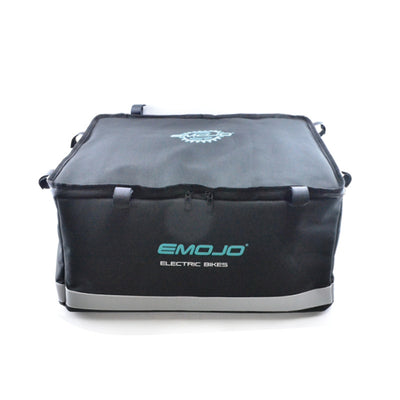
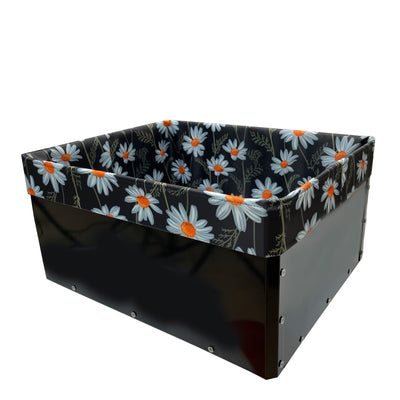
Check both the basket rating and the total payload rating for the trike. Heavy loads can affect steering, braking distance, and stability. Keep cargo low, balanced, and secured so it cannot shift during a turn. A soft-sided bag or basket liner can prevent smaller items from bouncing around on rough campground roads.
If you travel with a pet or want to carry more supplies, choose accessories designed for the job rather than improvising with loose containers. A secure setup lets you focus on the ride, not on what might tip over behind you.
Practice Before You Reach the Campground
The first ride should happen somewhere open and familiar, not beside a busy campground check-in lane. Practice folding and unfolding the trike, attaching the battery, adjusting the seat, using the brakes, and moving through each assist level.
Then take a few slow turns without cargo. Because a trike does not lean like a bicycle, your body position and speed through corners may feel different at first. Slow down before the turn, keep both hands steady on the handlebars, and avoid sharp steering inputs. Once the handling becomes familiar, the stable ride can feel wonderfully reassuring.
It also helps to practice your complete transport routine at home. Load the folded trike, secure it, remove any accessories that could shift, and make sure lights and license plates remain visible. A few minutes of preparation can prevent an unwelcome surprise at the first fuel stop.
A Better Way to Explore From Your Campsite
The best folding electric trike for RV travel is one that fits your space and supports the way you like to move. Some RVers need compact storage above all else. Others need generous cargo room, a low step-through frame, or enough battery capacity to spend a full afternoon exploring. There is no single right answer, but there is a right fit for your trip.
Once your trike is packed securely and your route is planned, the area around your campsite starts to feel much larger. Take the slow loop by the lake, ride to the local market, and enjoy the simple pleasure of leaving the keys behind for the afternoon.
Leave a comment